
Table of Contents
- Product Quality and Material
- Sizing and Fit (for Clothing and Wearables)
- Authenticity and Brand Reputation
- Shipping Time and Costs
- Return and Refund Policies
- Customer Reviews and Ratings
- Warranty and Durability
- Functionality and Compatibility (Tech, Home Goods, etc.)
- Price Comparison
- Seller Credentials and Location

Product Quality and Material
Before adding any item to your cart, it’s crucial to assess the product’s quality and the materials used. This is especially important for clothing, electronics, and home goods, where durability and execution matter. Start by reading the product description carefully to understand the fabric or material configuration. Look for details like “100% cotton,” “stainless steel,” or “genuine leather,” which often indicate higher quality. If possible, examine customer-uploaded photos to get a more realistic sense of the item’s texture, finish, or construction. Poor-quality items often have vague details and overly edited images. Remember, if a deal looks too good to be true especially from an unknown brand or seller it probably is.
Sizing and Fit for Clothing and Wearables
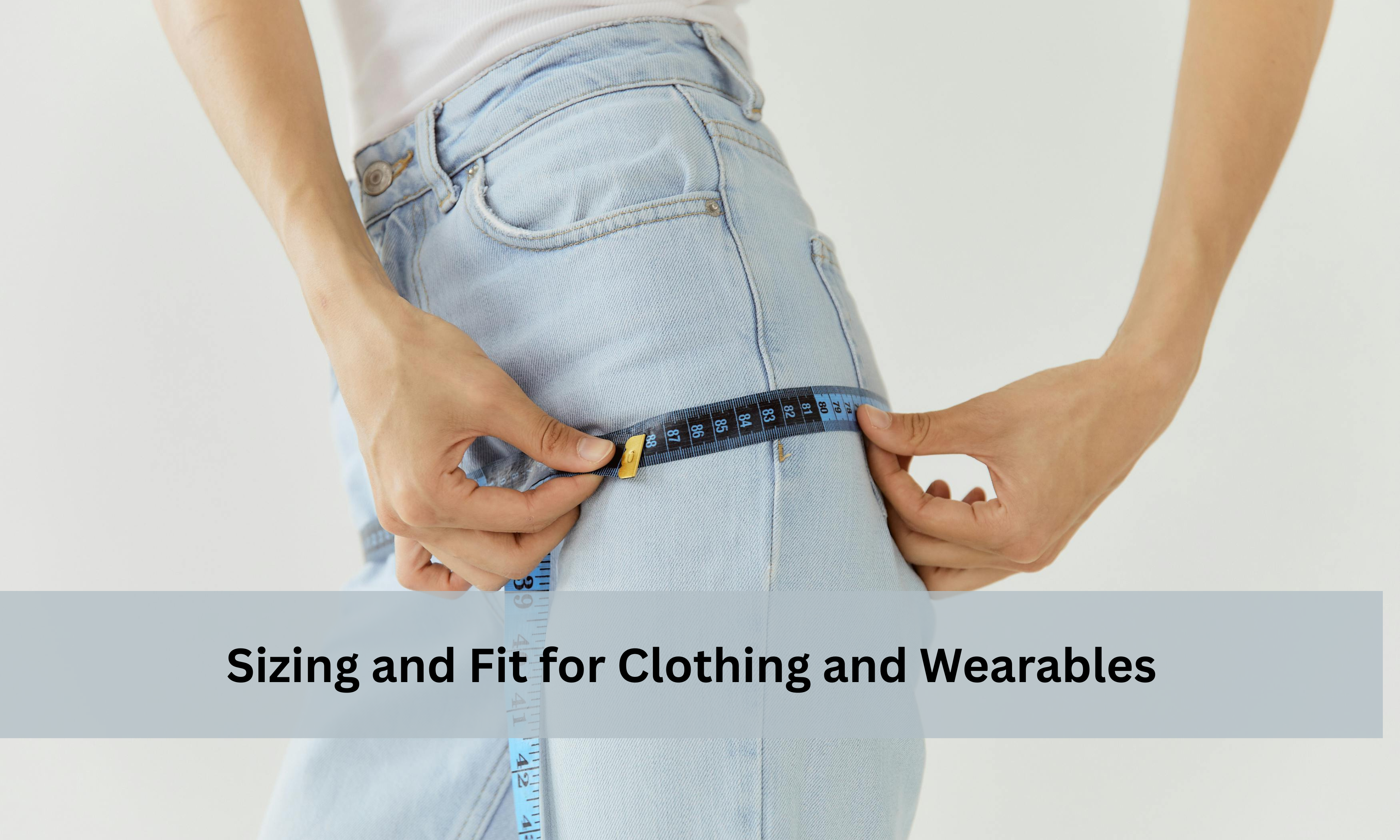
When shopping for clothing or wearables online, getting the right size is one of the biggest challenges. Since sizing can vary broadly between brands and even subject items, it’s important to consult the size chart provided by the retailer. Don’t rely solely on your usual size compare your actual proportions to the chart for the most correct fit. Reading customer reviews can also provide valuable insight, specifically when reviewers mention if an item “runs small,” “fits large,” or “fits true to size.” Photos and body measurements shared by other buyers can give you a better idea of how the item looks in real life. If you’re between sizes or unsure, it’s often safer to size up or choose retailers with easy return policies. Taking a few extra minutes to double-check sizing can save you from dealing with ill fitting purchases later.

Authenticity and Brand Reputation
This is especially important when buying high end items, electronics, or trending fashion pieces, where replica products are common. Start by checking if the seller is official or confirmed, especially on marketplace platforms. Look for brand specific details like logos, packing, and product descriptions that match with the official website. A quick online search can reveal whether a brand is well reviewed or has a history of customer conflicts. You can also check independent reviews and ratings to gauge credibility and product performance. If something seems off like prices that are unusually low, spelling mistakes in the product listings, or little information about the seller it’s best to pause and reconsider.

Shipping Time and Costs
Before you click “add to cart,” always take a close look at the shipping time and costs connected with your purchase. While some items may appear to be great deals at first glance, unexpected shipping fees or long delivery windows can change the value utterly. Check whether the seller offers free shipping or if further charges apply, especially for international orders. Also, pay focus to the evaluated delivery date some products, especially those shipped from Out-of-country, can take weeks or even months to arrive. If you need an item by a specific date, look for express or hasty shipping options and make sure they’re available in your area. Sometimes, the total cost—including shipping can end up higher than buying the same item locally. Being aware of these details upfront can help you avoid unexpected surprises.
2/2

Return and Refund Policies
Before sealing any online purchase, it’s important to review the return and refund policies of the seller. Not all retailers offer easy returns, and some items may be labeled as final sale or non-refundable. Check how long you have to initiate a return, what condition the item must be in, and whether you’ll receive a full refund or only store credit. Also, look for information on who covers return shipping costs you might be responsible for paying to send the item back. A clear, adjustable return rule is a sign of a trustworthy seller and can provide peace of mind, especially when buying clothing, electronics, or products you haven’t seen in person. Knowing the return process in advance can save you irritation if the item doesn’t meet your anticipations or arrives damaged.

Customer Reviews and Ratings
Customer reviews and ratings are one of the most valuable tools you have when shopping online. They offer real-life insight into the product’s quality, performance, and potential issues that may not be obvious from the product description alone. Look for items with a high number of reviews and an overall positive rating, but don’t just rely on the star count—read the actual comments. Pay attention to consistent feedback, whether it’s praise for durability or repeated complaints about sizing, defects, or misleading photos. Reviews that include photos or videos are especially helpful, as they give a more accurate picture of what you can expect. Be cautious of items with overly generic reviews or ones that seem fake, as these can sometimes be manipulated. Taking a few extra minutes to explore customer feedback can help you make a more informed and confident buying decision.
Warranty and Durability
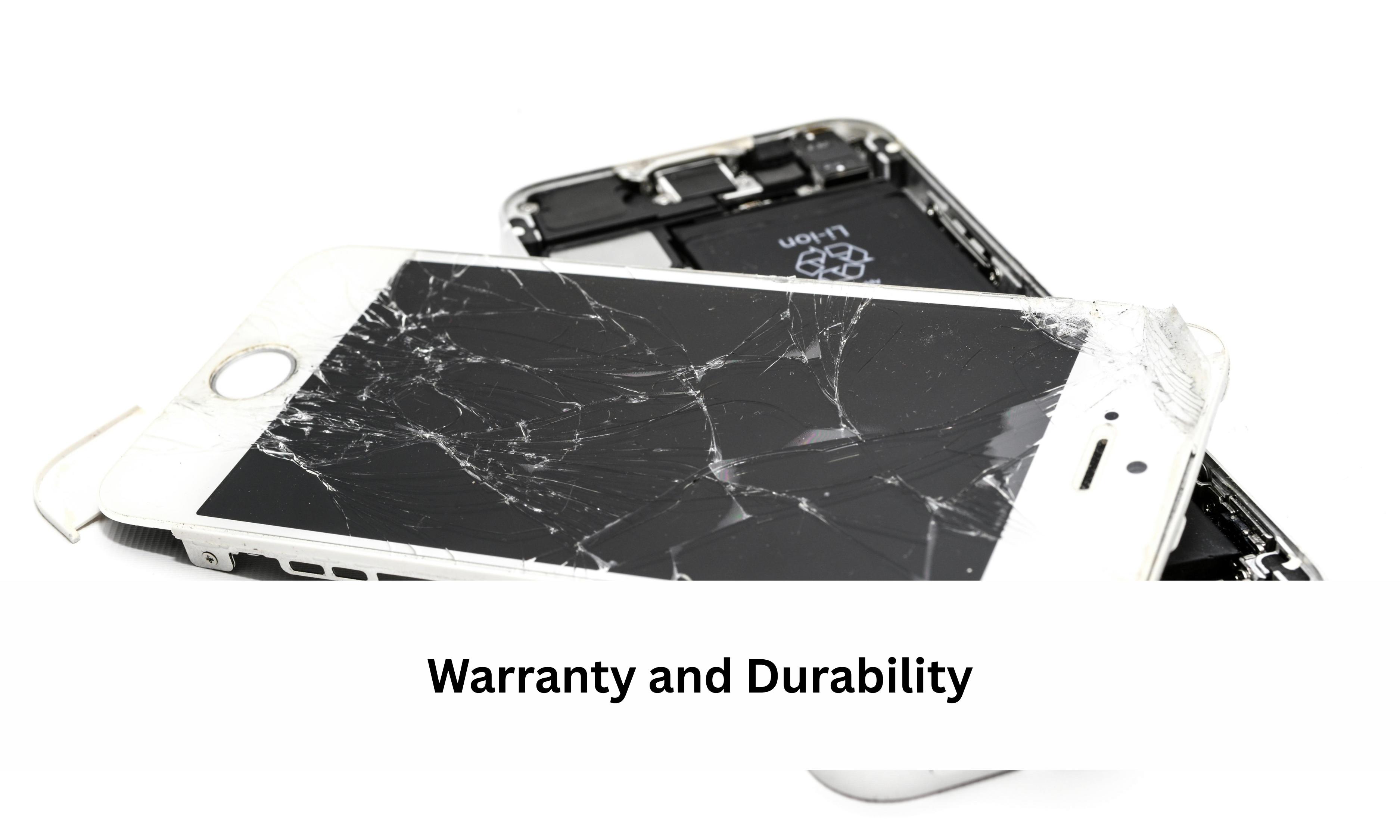
When shopping online, it’s important to consider not just the product itself, but how long it will last and what kind of protection is offered. A product that comes with a warranty—whether it’s 30 days or several years—can give you added peace of mind, especially for electronics, appliances, or higher-priced items. A warranty shows that the manufacturer stands behind their product and is willing to replace or repair it if something goes wrong. In addition to warranty details, look at what reviewers say about the item’s long-term durability. Are there complaints about it breaking down quickly, or praise for it lasting through regular use? Materials, construction quality, and brand reputation all play a role in how long something will last. By factoring in durability and warranty coverage, you can avoid wasting money on items that wear out too quickly or can’t be fixed.

Functionality and Compatibility (Tech, Home Goods, etc.)
Before purchasing tech gadgets, home appliances, or accessories, it’s essential to ensure the item is both functional and compatible with what you already own. Read the product description carefully to understand its features and capabilities—does it do what you need it to do? For tech items, double-check compatibility with your devices, such as operating systems, ports, or voltage requirements. For home goods, consider dimensions, installation needs, and whether the item fits your space or setup. Many returns happen simply because the product didn’t work as expected or wasn’t compatible, so taking the time to verify these details can save you frustration. Also, look at customer reviews for real-world insights into how well the product performs and if there are common issues with usability. Ensuring functionality and compatibility before you buy helps you avoid costly mistakes and ensures a smoother, more satisfying purchase experience.

Price Comparison
Before hitting “add to cart,” it’s smart to compare prices across different sellers and websites to make sure you’re getting the best deal. Prices for the same product can vary widely depending on the retailer, promotions, or shipping costs. Using price comparison tools or browser extensions can make this process faster and easier, automatically alerting you to better offers. Don’t forget to factor in any discounts, coupon codes, or loyalty rewards that might apply. Also, be cautious of prices that seem too low—they can sometimes indicate counterfeit goods or sellers with poor service. By taking a few extra minutes to compare prices, you can save money and feel confident that you’re making a well-informed purchase.

Seller Credentials and Location
Before finalizing your purchase, it’s important to consider the seller’s credentials and location. Buying from reputable sellers with strong ratings and positive customer feedback reduces the risk of scams, poor customer service, or receiving faulty products. Check if the seller is verified or officially affiliated with the brand, especially on marketplace platforms. Additionally, the seller’s location can impact shipping time, costs, and even return policies. International sellers may have longer delivery times and higher shipping fees, plus customs duties that add to the total cost. Understanding who you’re buying from and where they’re based helps set realistic expectations and ensures smoother communication if any issues arise.