
Table of Contents
- Product Details and Specifications
- Customer Reviews and Ratings
- Price Comparison and Discounts
- Return and Refund Policy
- Shipping Costs and Delivery Time
- Seller or Brand Credibility
- Secure Checkout and Payment Options
- Availability and Stock Levels
- Hidden Fees or Additional Charges
- Read the Fine Print

Product Details and Specifications
Before you click Add to Cart, take a moment to thoroughly review the product details and details. This step is crucial for making sure the item meets your hopes and needs. Check the size, colors materials and sizes What looks perfect in a photo might not be the right fit in real life. For clothing, always refer to the sizing chart provided by the brand. If you’re shopping for gadgets or attachments, double-check that the item is consistent with your existing devices. Material standard is another important factor; for instance, knowing whether an item is made of genuine leather or synthetic fabric can influence your decision. Don’t forget to review care guidelines, especially for clothing, bedding, or kitchen items; some might require dry cleaning or special managing. By carefully reading through the details, you will reduce the risk of surprises and ensure a more pleasing purchase.

Customer Reviews and Ratings
Before making a purchase, take the time to read what other buyers are saying about the product. Critiques can reveal important discoveries about quality, sizing accuracy, strength, and overall satisfaction that aren’t always clear from the product description. Pay focus to recurring themes—if multiple customers mention the same issue, such as poor stitching or incorrect sizing, it’s likely a genuine concern. Star ratings can give a quick overview, but don’t rely on them alone; detailed written feedback and user-uploaded photos often provide a clearer picture of what to expect. Be cautious of overly vague or suspiciously positive reviews, which may be fake. Verified purchase badges can help identify more honest feedback. By assessing customer experiences, you can make a more informed decision and avoid potential regrets
Price Comparison and Discounts
Before adding an item to your cart, it’s smart to compare prices across different websites to ensure you’re getting the best deal. The same product is often sold by multiple retailers, and prices can vary markedly. Use tools like price comparison websites, browser extensions (such as Honey or Rakuten), or even a quick Google search to check if the item is cheaper elsewhere. Also, keep an eye out for genuine discounts sometimes, retailers inflate original prices to make discounts look more attractive than they really are. Check if the discount applies immediately or requires a promo code, and look into any conditions tied to the offer, like minimum purchase amounts. Signing up for newsletters or loyalty programs can sometimes unlock further savings. Taking a few extra minutes to compare and find the best price can help you stretch your budget further and feel more confident about your purchase.
Return and Refund Policy
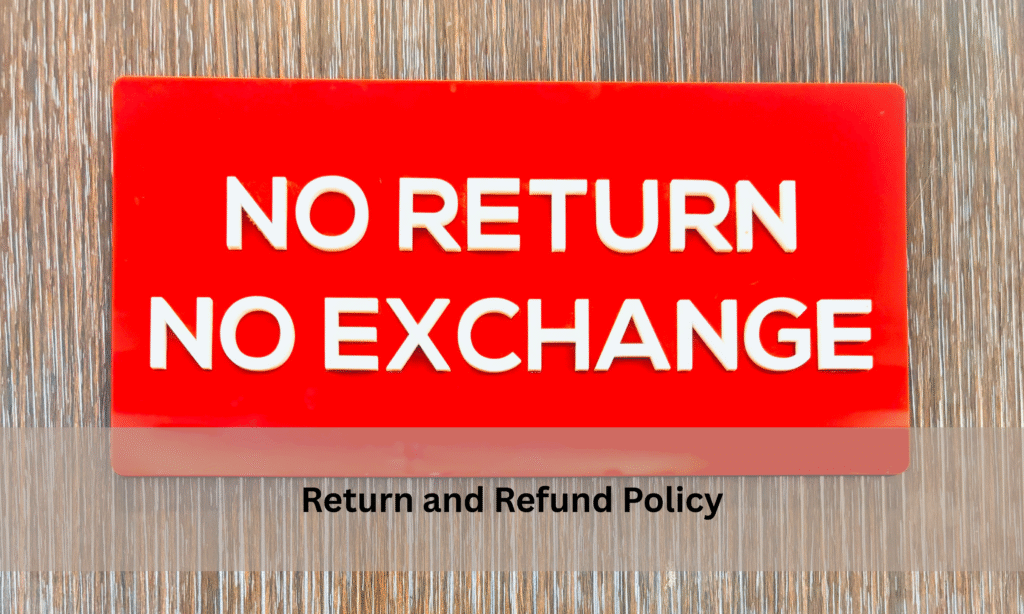
Understanding the return and refund policy is crucial before closing any online purchase. Not every item will meet your expectations once it arrives, so it’s important to know your options if you need to send it back. Check how many days you have to initiate a return, whether return shipping is free or paid, and if there are any restocking fees. Some stores only offer store credit instead of a full refund, which may not be ideal if you’re unsure about the purchase. Pay close attention to exclusions items marked as “final sale” or “Irrevocable” can’t be returned under any context. It’s also helpful to read about the refund process itself: how long it takes, and whether it will be credited back to your original payment method. Knowing the policy ahead of time can save you from frustration and help you shop with self-assurance.

Shipping Costs and Delivery Time
Before adding items to your cart, it’s important to review the shipping costs and approximate delivery time. Some online stores offer free shipping, but others may add significant fees at checkout, especially for expedited delivery or universal orders. Be sure to check whether shipping is included in the price or if it will be calculated later. Understanding the delivery timeline is also essential if you need an item by a certain date, make sure the shipping method you choose warranties timely arrival. Pay attention to processing times as well, since some sellers may take several days to prepare your order before it even ships. Also, look out for options like in-store pickup or local delivery, which can be faster or more. Checking these details ahead of time helps avoid unexpected delays and ensures you get your purchase when you need it.

Seller or Brand Credibility
Checking the validity of the seller or brand is a key step in making safe and satisfying online purchases. If you’re buying from a third-party seller on a mart, take a moment to review their ratings, customer feedback, and number of completed sales. A high rating and positive reviews usually indicate a honest seller. For lesser-known brands or new websites, do a quick background check—look for contact information, social media presence, and expert website design. Be prudent of sites that have poor grammar, no return address, or limited customer service options, as these can be signs of a scam. You can also search for self-standing reviews of the brand to see if other shoppers have had good occurrences. Shopping from reputable sources reduces the risk of fraud, poor product quality, and customer service discomfort.
Secure Checkout and Payment Options
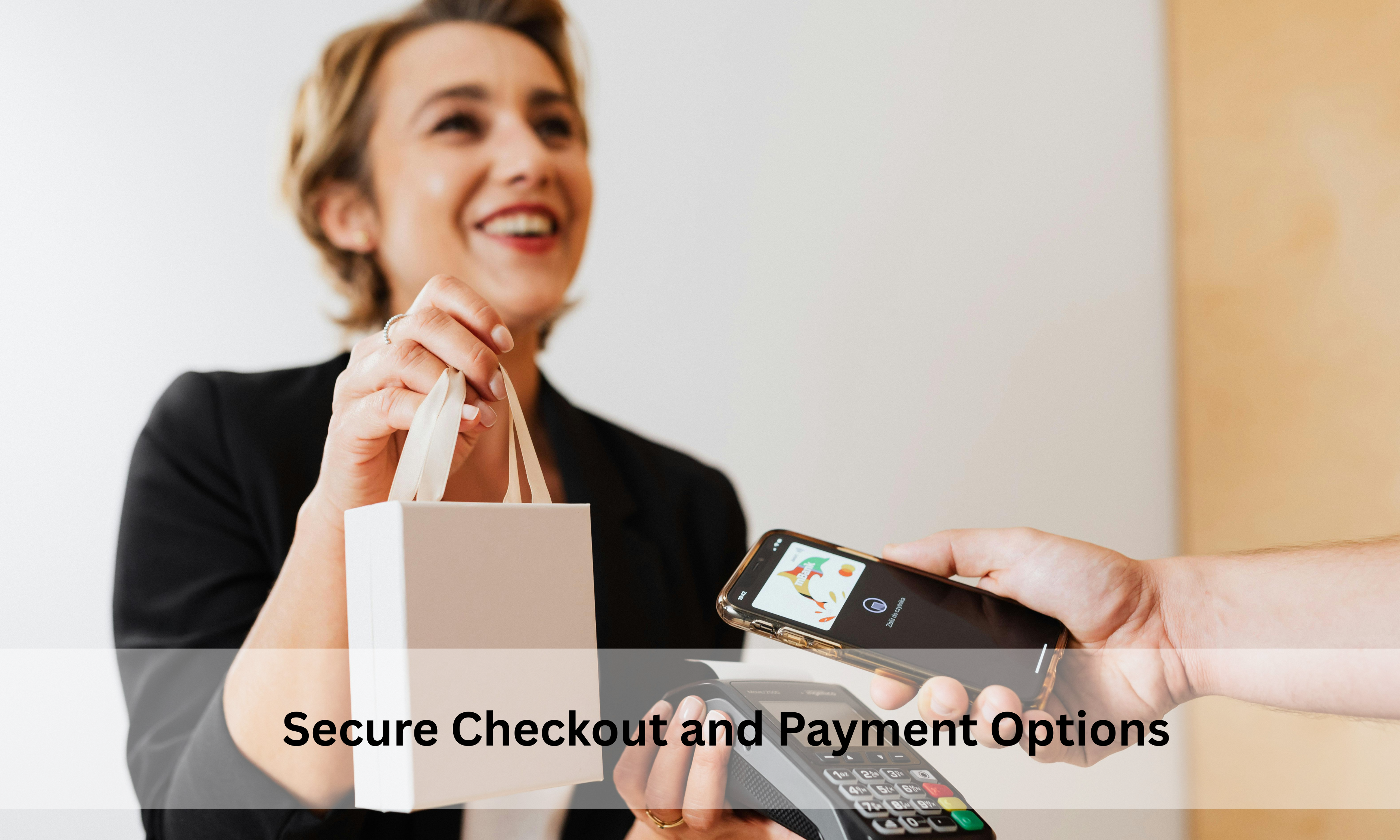
Before entering your payment information, always ensure that the checkout process is secure. A secure website will have “https://” in the URL and often display a padlock icon in the browser address bar—these are signs that your data is secured and protected. Stick to well-known, trusted payment methods like credit cards, PayPal, Apple Pay, or Google Pay, which often offer further buyer protections in case something goes wrong. Avoid using debit cards or direct bank transfers on unfamiliar sites, as they can be riskier and harder to dispute. Some platforms also offer payment agility, such as buy now, pay later options, which can be convenient if used responsibly. If the website asks for rare personal information or redirects you to a suspicious-looking payment page, it’s best to back out. ranking secure payment options helps safeguard your economic information and gives you peace of mind while shopping online.

Availability and Stock Levels
Before adding an item to your cart, check its readiness and stock levels to avoid regret later. Some products may appear to be available but are actually on backorder or have limited quantities remaining. Retailers often indicate if an item is low in stock or if it’s expected to be reloaded soon—use this information to decide whether to buy now or wait. Be cautious of pressure tactics like “Only 1 left!” which may be used to encourage impulse buying. For popular or seasonal items, limited stock can mean they sell out quickly, so it’s wise to act fast if you’re sure about the purchase. If the product is out of stock, see if you can sign up for restock alerts or check if it’s available through other retailers. Verifying accessibility helps you avoid delays, cancellations, and the frustration of missing out on must-have items.
Hidden Fees or Additional Charges
Before finalizing your purchase, it’s important to watch out for any hidden fees or additional charges that may increase the total cost. Sometimes the listed price doesn’t include taxes, customs duties (especially for global orders), or handling fees, which can add up quickly at checkout. Shipping costs can also vary depending on the delivery method or location, so don’t assume shipping is free just because it wasn’t mentioned upfront. Some sellers may include extra charges for gift packaging, packaging, or expedited processing without clearly stating them in the product price. Always review the full order summary before paying to catch these surprises. Being aware of all potential costs ensures you’re making an informed decision and prevents any uncomfortable shock when your credit card statement arrives.
Read the Fine Print
Before hitting the “Buy” button, take a moment to carefully read the fine print bound with your purchase. This includes any terms and conditions, subscription details, or special restrictions that might not be instantly obvious. Some offers may come with hidden obligations, such as automatic extensions or subscription services that start charging you after a trial period. Others may have specific rules around discounts, like minimum purchase requirements or exceptions on certain items. Additionally, some products may be marked as final sale or non-returnable, meaning you won’t be able to get a refund or exchange if you change your mind. Awareness these details helps you avoid surprises and makes sure you’re fully aware of what you’re agreeing to, allowing you to shop with assurance and peace of mind.