
Table of Contents
- Introduction to Augmented Reality in Retail
- Virtual Try-Ons for Fashion and Beauty
- AR-Powered Home Visualization
- In-Store Augmented Reality Enhancements
- Improved Online Shopping Engagement
- AR in Social Commerce
- Challenges and Limitations
- Future Outlook
- Conclusion
Introduction to Augmented Reality in Retail
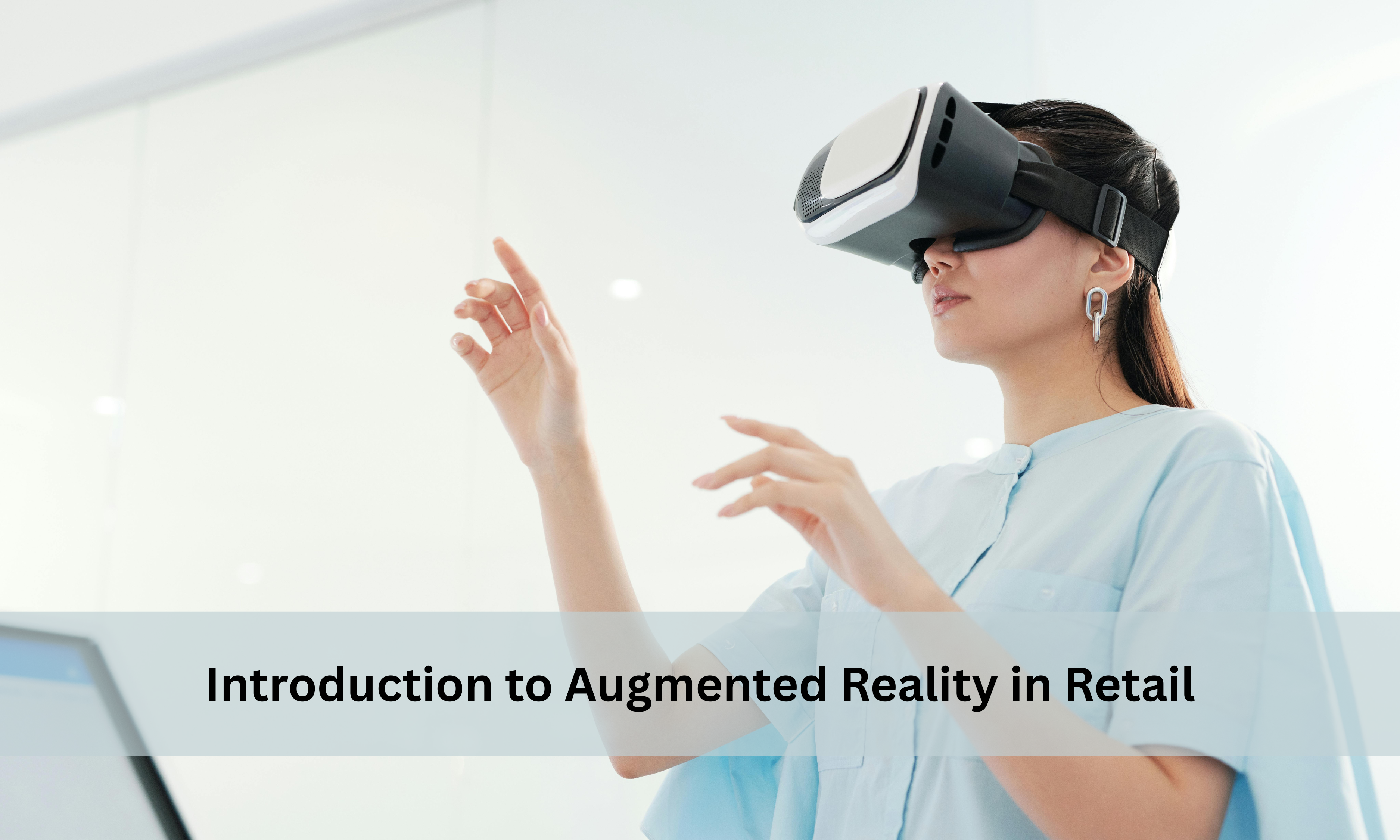
Augmented Reality (AR) is revolutionizing the retail industry by merging digital experiences with the physical world. This technology overlays computer-generated images, information, or animations onto a user’s real environment, creating a highly interactive and immersive shopping experience. As consumers increasingly seek convenience, personalization, and engagement, retailers are embracing AR to meet these expectations and stay competitive. From virtual try-ons to interactive in-store displays, AR is transforming how people browse, evaluate, and purchase products. In 2025, the integration of AR into retail is no longer a novelty—it’s becoming an essential part of the modern shopping journey, both online and in-store.
Virtual Try-Ons for Fashion and Beauty
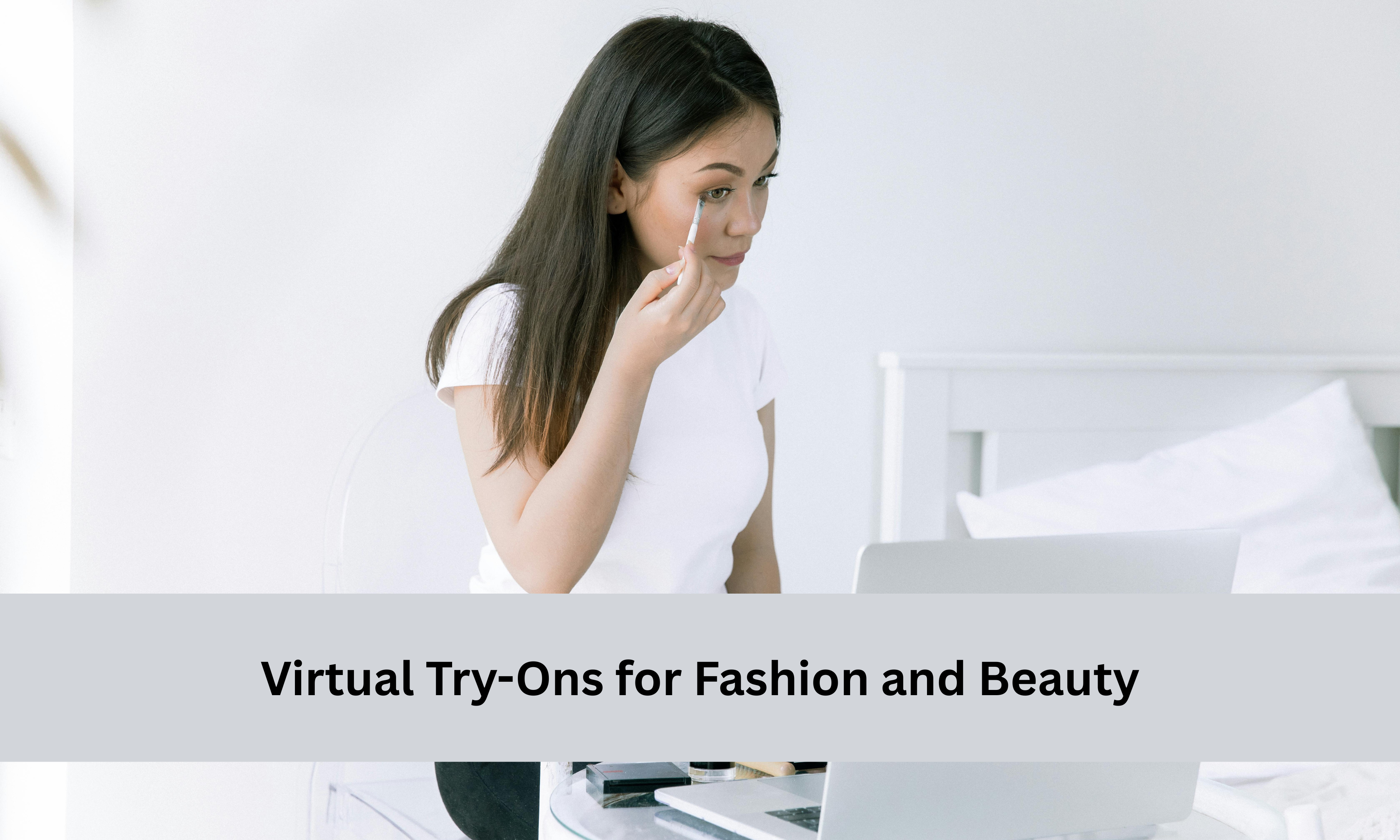
Virtual try-ons powered by augmented reality are changing the way consumers shop for fashion and beauty products. Using a smartphone or AR-enabled device, shoppers can now see how clothing, accessories, makeup, and eyewear will look on them without physically trying anything on. This technology allows for a more personalized and convenient shopping experience, helping customers make confident purchasing decisions. It also significantly reduces return rates, a common issue in online shopping. Brands like Sephora, Warby Parker, and Amazon have successfully integrated AR try-on features into their platforms, allowing users to experiment with different styles and products in real time. As a result, virtual try-ons are not only enhancing customer satisfaction but also driving sales and setting a new standard for digital retail experiences.
AR-Powered Home Visualization
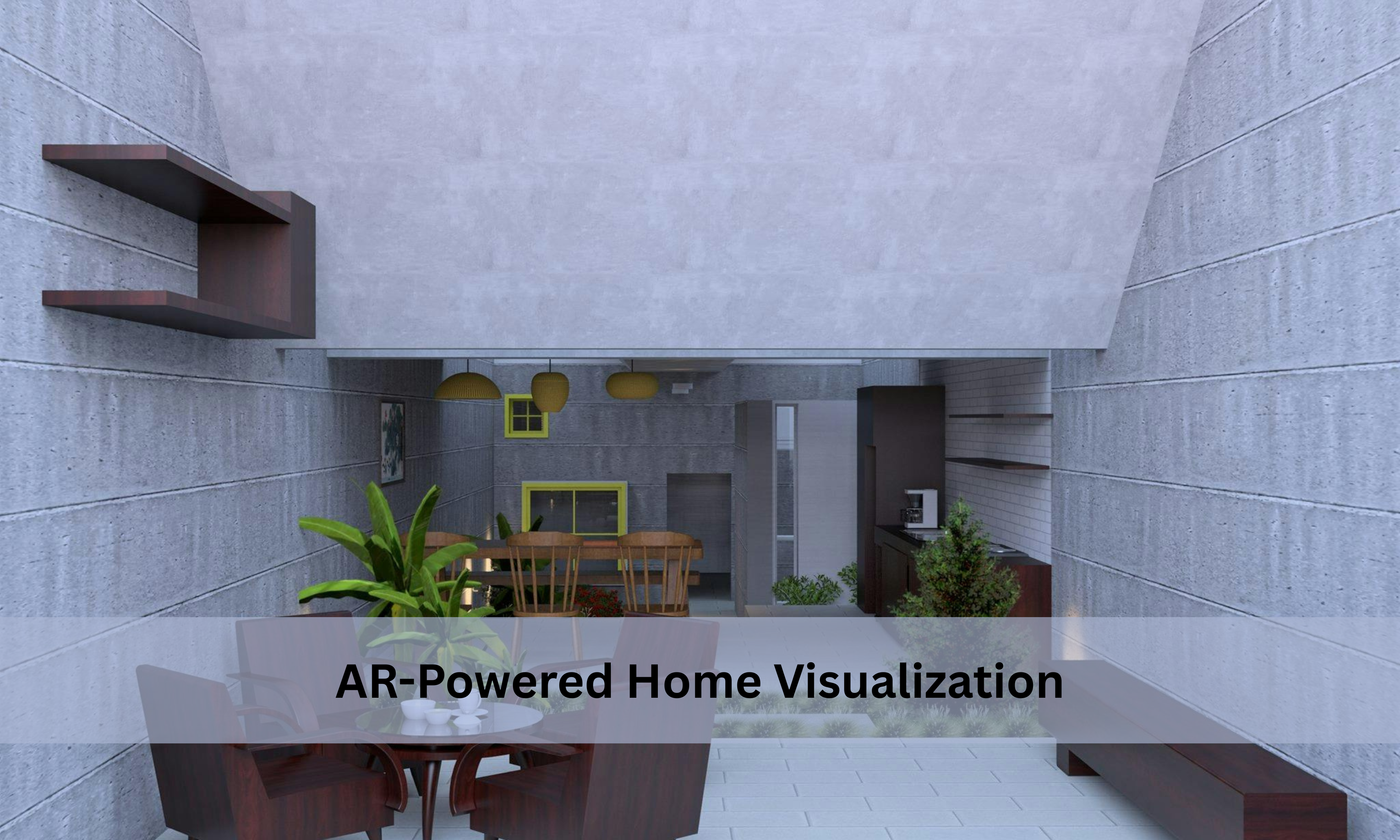
AR-powered home visualization is transforming how consumers shop for furniture, home décor, and appliances by allowing them to see how items will look and fit in their actual living spaces. Using augmented reality apps, shoppers can point their smartphone or tablet at a room and virtually place products within it—scaling them accurately and moving them around to find the perfect fit and style. This eliminates much of the guesswork involved in home shopping, helping customers feel more confident about their purchases. Leading retailers like IKEA, Wayfair, and Home Depot have embraced this technology, offering AR features that allow users to design and furnish their homes without ever stepping foot in a store. By blending convenience with visualization, AR is making the home shopping experience more interactive, efficient, and enjoyable.
In-Store Augmented Reality Enhancements
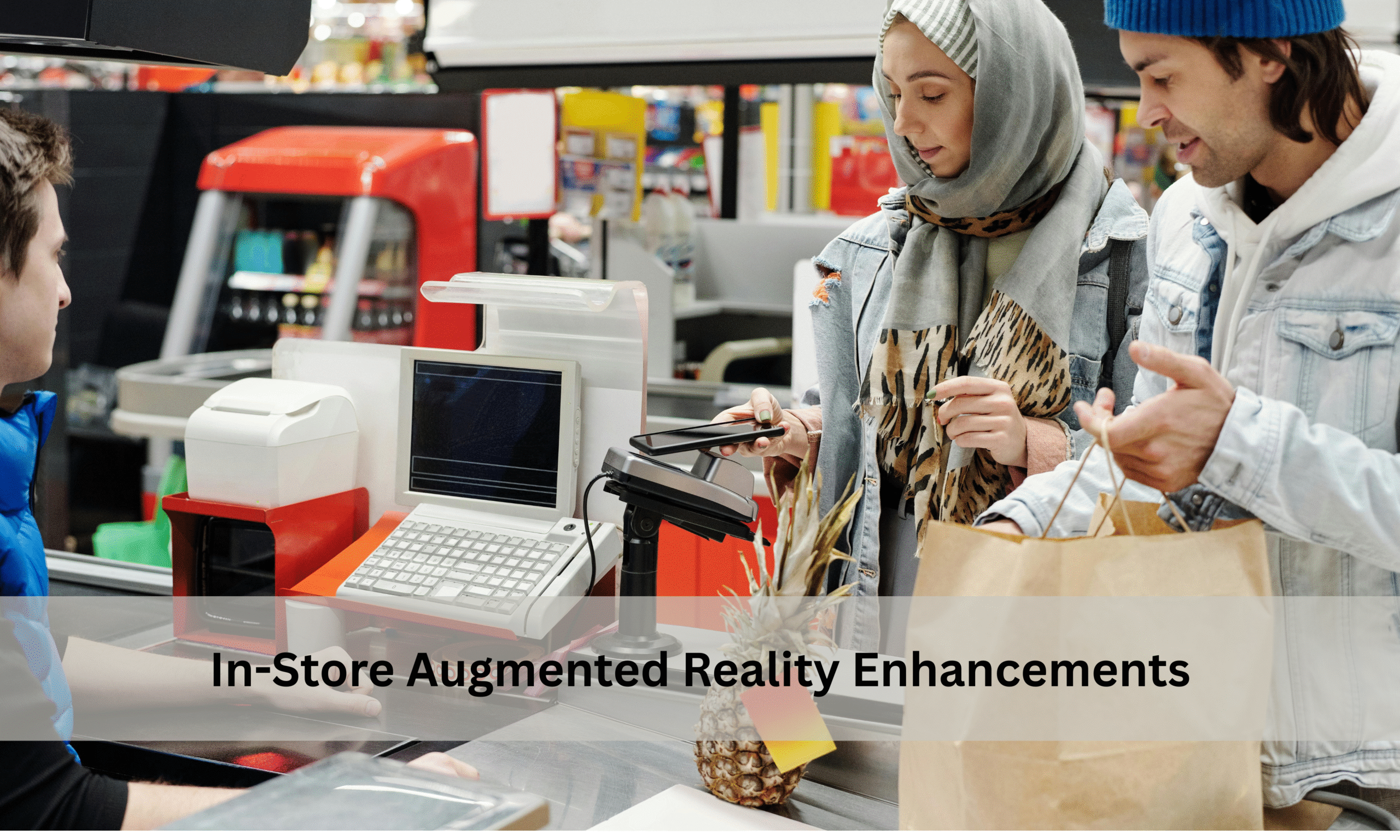
In-store augmented reality enhancements are redefining the brick-and-mortar shopping experience by making it more interactive and engaging. Retailers are incorporating AR through smart mirrors, virtual fitting rooms, and mobile apps that allow customers to try on clothing, preview products, and receive personalized recommendations without the need for physical interaction. Shoppers can also use AR to navigate stores more easily, find specific items, or access additional product details by simply pointing their phones at displays. Brands like Nike and Adidas have taken this a step further by using AR to tell the stories behind their products, offer virtual experiences, and showcase different styles or color options. These innovations not only streamline the shopping process but also create immersive brand experiences that encourage customer loyalty and increase in-store engagement.

Improved Online Shopping Engagement
Augmented reality is significantly enhancing online shopping by making it more interactive, personalized, and engaging. Through AR, shoppers can view 3D models of products, rotate them, and even place them in their real-world environment using their smartphones or tablets. This added layer of interaction helps bridge the gap between physical and digital shopping, allowing customers to better understand product size, design, and functionality before making a purchase. Retailers are leveraging AR to reduce uncertainty, build buyer confidence, and ultimately increase conversion rates. Features like virtual try-ons, product demos, and real-time customization options are keeping shoppers on websites longer and encouraging them to complete purchases. As e-commerce continues to grow, AR is becoming an essential tool for brands looking to stand out and provide a richer, more satisfying online shopping experience.
AR in Social Commerce
Augmented reality is playing a major role in the rise of social commerce, where shopping and social media intersect. Platforms like Instagram, TikTok, and Snapchat now offer AR filters and lenses that allow users to virtually try on products—such as clothing, makeup, or accessories—directly within the app. This creates a highly interactive and shareable experience that not only entertains but also drives purchasing decisions. Influencers and brands use these AR tools to showcase products in a more authentic and engaging way, encouraging followers to explore and buy instantly. With real-time feedback and peer influence integrated into the experience, AR in social commerce is helping brands connect with younger, tech-savvy audiences while streamlining the path from discovery to purchase.

Challenges and Limitations
While augmented reality is transforming the shopping experience, it also comes with several challenges and limitations. One of the primary barriers is accessibility—many AR features require newer smartphones or tablets with advanced camera and processing capabilities, which not all consumers have. Additionally, the need to download specific apps can create friction in the user experience. Accuracy is another concern, particularly with virtual try-ons or room visualizations that may not always represent true sizing, colors, or fit. From a business perspective, developing and maintaining AR technology can be costly, especially for small to mid-sized retailers. There are also privacy and data security concerns, as AR apps often require access to cameras, location data, and user preferences. Despite these hurdles, ongoing advancements in AR tech and broader adoption are helping to address these limitations and make the benefits more widely accessible.

Future Outlook
The future of augmented reality in retail looks incredibly promising, with advancements poised to make shopping even more immersive and personalized. As AR glasses and spatial computing technologies become more mainstream, shoppers will likely move beyond smartphone screens to fully integrated AR experiences that blend seamlessly with their everyday environment. Artificial intelligence will play a key role in enhancing these experiences, enabling hyper-personalized product recommendations, real-time customization, and smarter virtual assistants. Retailers will increasingly leverage AR to create interactive, engaging brand stories and foster deeper connections with customers. Over the next five to ten years, AR is expected to become a standard feature across both online and physical stores, fundamentally reshaping how people discover, try, and buy products in ways that feel natural, convenient, and exciting.

Conclusion
Augmented reality is rapidly transforming the shopping experience by bridging the gap between the digital and physical worlds. From virtual try-ons and home visualization to interactive in-store enhancements and social commerce, AR is empowering consumers to shop more confidently and conveniently than ever before. While challenges remain, ongoing technological advancements and growing consumer adoption are driving AR toward becoming a standard part of retail. As the technology continues to evolve, it promises to create richer, more personalized, and immersive shopping journeys that benefit both shoppers and retailers alike, shaping the future of retail in exciting new ways.
